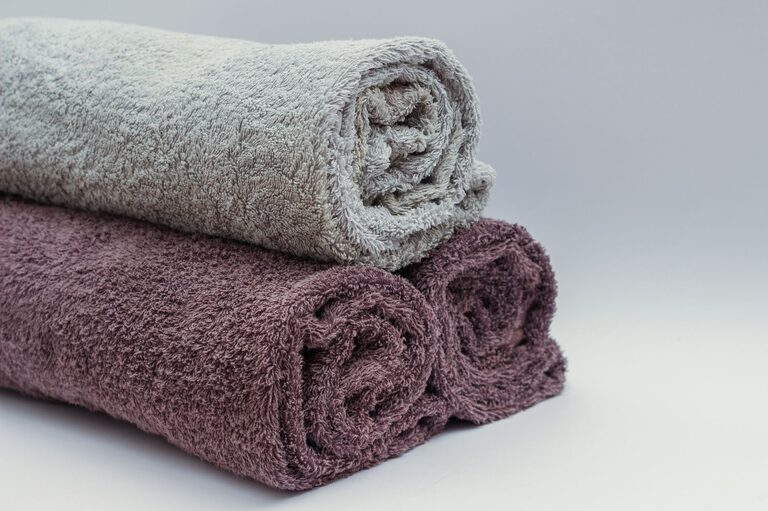
Towels are an essential part of every household, used daily for drying off after showers, washing hands, or cleaning up spills. Over time, towels can become rough, stiff, and lose their fresh scent, making them less pleasant to use. Fortunately, with a few simple practices, you can keep your towels soft, fluffy, and smelling fresh for longer. This guide will explore some effective tips and tricks to maintain your towels and make every use feel like a luxury.
Why Towels Lose Their Softness and Freshness
Before diving into the tips, it helps to understand why towels sometimes lose their softness and freshness:
– Detergent Build-Up: Using too much detergent or not rinsing towels thoroughly can leave residue that makes towels stiff.
– Mineral Deposits: Hard water contains minerals that can accumulate in fabrics, reducing absorbency and softness.
– Overdrying: Excessive heat or drying towels too long can damage fibers.
– Fabric Softeners: While intended to soften, many fabric softeners coat towel fibers, reducing absorbency and fluffiness.
– Improper Washing: Mixing towels with other laundry items, or washing them infrequently can cause odors and roughness.
Keeping these causes in mind, let’s look at practical ways to keep your towels feeling fresh and fluffy.
Washing Towels Properly
1. Use the Right Amount of Detergent
Using too much detergent can leave a residue that feels stiff and traps odors. Follow the detergent manufacturer’s instructions, and opt for a mild detergent if possible. For hard water areas, consider a detergent formulated to work well with mineral-rich water.
2. Wash Towels Separately
Always wash towels separately from clothes to avoid lint transfer and to allow towels to rinse thoroughly. Washing them with other items can cause friction that wears down fibers faster.
3. Choose the Right Water Temperature
Warm or hot water is generally better for cleaning towels and killing bacteria. However, be sure to check the care label on your towels for temperature recommendations to avoid damage.
4. Skip Fabric Softeners
Although fabric softeners seem like a good idea, they can coat towel fibers, reducing absorbency. Instead, use natural alternatives such as white vinegar to soften towels.
Boosting Softness and Freshness
5. Use White Vinegar as a Natural Softener
Add one cup of white vinegar to the rinse cycle once a month. Vinegar helps break down detergent residue and removes odors, leaving towels soft and fresh.
6. Baking Soda for Extra Cleanliness
Adding half a cup of baking soda to your wash helps freshen and soften towels by balancing pH levels and removing odors.
7. Avoid Overloading the Washer
To maintain towel fluffiness, don’t overcrowd the washing machine. Towels need space to move freely for thorough cleaning and rinsing.
Drying Towels Correctly
8. Shake Towels Before Drying
Give your towels a good shake before placing them in the dryer. This helps loosen fibers and reduces drying time.
9. Use Medium Heat or Air Dry
High heat can damage towel fibers, so opt for medium heat or air drying if possible. Avoid overdrying as this contributes to stiffness.
10. Toss in Dryer Balls or Clean Tennis Balls
Using wool dryer balls or clean tennis balls in the dryer helps fluff towels by separating fibers and improving air circulation.
11. Line Dry Smartly
If you prefer air drying, hang towels in a well-ventilated area to prevent mildew and odor. Avoid drying towels in direct sunlight for long periods, as this can fade colors and weaken fibers.
Additional Care Tips
12. Wash Towels Regularly
Wash towels after 3 to 4 uses to keep them hygienic and fresh. Frequent washing also prevents buildup of odors and bacteria.
13. Avoid Bleach Unless Necessary
Bleach can weaken towel fibers and cause discoloration. Use it sparingly and only on white towels if necessary.
14. Rotate Your Towels
Keep several sets of towels and rotate their use. This reduces wear on any one towel and gives them time to air out fully between uses.
15. Store Towels Properly
Make sure towels are completely dry before folding and storing. Store them in a cool, dry place to prevent mildew and maintain freshness.
When to Replace Towels
Despite the best care, towels don’t last forever. Signs it’s time to replace them include:
– Persistent odor even after washing
– Significant thinning or holes
– Fraying edges or rough texture that doesn’t improve
– Loss of absorbency
Investing in good-quality towels and caring for them well can extend their life and improve your daily comfort.
—
By following these tips, you can enjoy soft, fluffy, and fresh towels every day. Remember that gentle washing practices, natural softening methods, and proper drying make the biggest difference. Your towels will thank you with a cozy, absorbent feel that enhances your routine and adds a touch of luxury to your home.
About the Author