
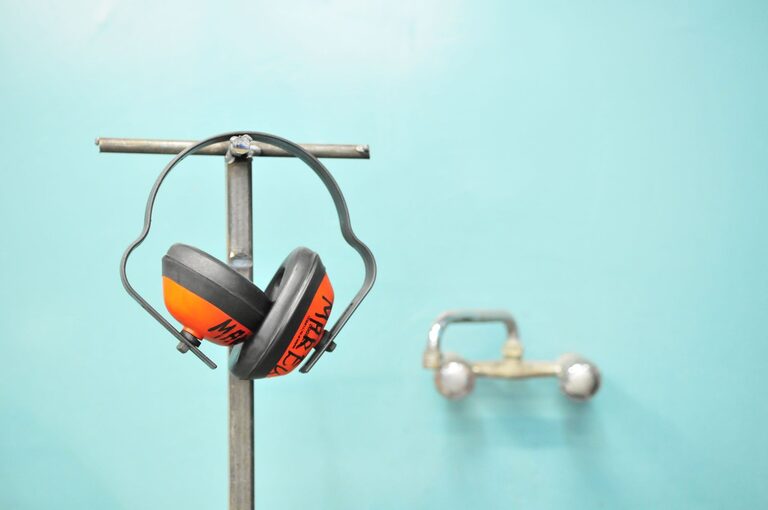
Creating a quiet and peaceful atmosphere at home is something many people desire. Whether you live in a busy city, near a noisy street, or simply want to reduce everyday sounds, there are simple and effective ways to minimize noise. Reducing noise not only improves your comfort but can also enhance your focus, sleep, and overall well-being.
In this post, we’ll explore practical tips and solutions to help you reduce noise at home without major renovations or high costs. These methods work for various types of noise, from outside traffic to internal sounds like appliances and voices.
Understanding Noise and How It Travels
Before diving into solutions, it helps to know a little about noise and how it moves through your home. Sound travels as waves through the air and can pass through walls, windows, floors, and doors. Some materials absorb sound better, while hard surfaces tend to reflect noise, making it louder.
By adding soft materials, sealing gaps, and using barriers, you can effectively reduce the amount of noise entering or spreading within your home.
Simple Ways to Reduce Noise at Home
1. Use Soft Furnishings and Textiles
Soft materials absorb sound and help reduce echo inside rooms. Consider adding or increasing:
– Thick curtains or drapes over windows
– Upholstered furniture like sofas and armchairs
– Large area rugs or carpets on floors
– Cushions and throws on chairs and sofas
These items help soak up sound waves and can make a significant difference, especially in rooms with hard floors or bare walls.
2. Seal Gaps and Cracks
Small openings around doors, windows, and baseboards allow noise to leak inside. Sealing these gaps is a simple and affordable fix:
– Use weatherstripping tape on door and window frames
– Apply acoustic caulk or regular silicone sealant around cracks
– Check and replace worn-out door sweeps or thresholds
Taking time to seal these areas helps block outside noise and prevents sounds from traveling between rooms.
3. Add Window Treatments or Double Glazing
Windows are often a weak point for noise control, especially in busy areas. You can improve this with:
– Installing double-glazed or acoustic windows to reduce external noise
– Using heavy or layered curtains to block sound
– Applying window inserts or plexiglass panels as an extra barrier
Even temporary measures like thick curtains can help, while long-term upgrades provide better results.
4. Use Bookshelves and Wall Hangings
Bookshelves filled with books act as sound absorbers and barriers. Positioning them along walls shared with noisy neighbors or streets can help dampen sound.
Similarly, hanging tapestries, fabric wall art, or acoustic panels absorbs echoes and reduces noise reflection.
5. Place Door Draft Stoppers
Draft stoppers placed at the bottom of doors block gaps where sound can enter. You can buy ready-made stoppers or make them yourself using fabric tubes filled with soft materials.
These are especially useful for rooms facing noisy hallways or outdoors.
6. Rearrange Your Furniture
How you arrange furniture can influence noise levels. Placing larger pieces like sofas and bookshelves against walls that face noise sources creates an additional sound barrier.
Keep sitting or sleeping areas away from noisy windows or walls when possible to enjoy a quieter space.
7. Use White Noise Machines or Fans
If external noise cannot be completely blocked, white noise machines or fans provide a constant background sound that masks disruptive noises. These devices can make sudden or irregular sounds less noticeable and help improve focus and sleep.
8. Consider Area-Specific Solutions
Different rooms have unique noise challenges. Here are some tailored tips:
– Bedrooms: Use heavy curtains, rugs, and door sweeps to create a sleeping sanctuary.
– Home offices: Add soft furnishings and place bookshelves along noisy walls to help concentration.
– Living rooms: Use rugs, cushions, and fabric-covered furniture to reduce echo when entertaining.
When to Consider Professional Help
If noise remains a significant problem or comes from structural issues, consulting a professional might be the next step. Acoustic experts can recommend or install specialized soundproofing solutions, such as:
– Acoustic foam panels or tiles
– Soundproof drywall or insulation
– Specialized doors and window systems
These options can be more costly but often provide the most effective noise control.
Final Thoughts
Reducing noise at home doesn’t have to be complicated or expensive. Simple changes like adding soft furnishings, sealing gaps, and using smart furniture arrangements can lead to a noticeably quieter and more relaxing environment.
Try these tips step-by-step and see which work best for your space. A quieter home means more comfort and peace for you and your loved ones.
About the Author