Starting an indoor herb garden is a rewarding and practical way to have fresh, flavorful herbs at your fingertips all year long. Whether you have a large kitchen space or a sunny windowsill, growing herbs indoors can be simple and enjoyable. This guide will walk you through everything you need to know to start your own small herb garden inside your home.
Why Start an Indoor Herb Garden?
Growing herbs indoors offers several benefits:
– Freshness: Enjoy fresh herbs whenever you need them for cooking or garnishes.
– Convenience: No need to rush to the store or buy packaged herbs that may lose flavor.
– Space-saving: Perfect for those with limited outdoor space or living in apartments.
– Aesthetic appeal: Herb plants add a touch of green and a pleasant aroma to your home.
Choosing the Right Herbs for Indoors
Not all herbs thrive indoors, so start with varieties known to grow well inside. Some popular, easy-to-grow herbs include:
– Basil: Great for cooking and easy to grow with sufficient light.
– Parsley: Versatile and tolerant of moderate light.
– Chives: Compact and suitable for small containers.
– Mint: Hardy and spreads quickly; best kept contained.
– Thyme: Thrives in sunny spots and well-drained soil.
– Cilantro: Prefers cooler temperatures and moderate light.
– Oregano: Requires bright light and well-draining soil.
Selecting Containers and Soil
Containers
Choose pots with drainage holes to prevent waterlogging, which can cause root rot. You can use:
– Small pots or containers made of terra cotta, plastic, or ceramic.
– Recycled containers, such as jars or tin cans, as long as they have drainage.
– Multi-herb planters if you want a mix of different herbs in one spot.
Soil
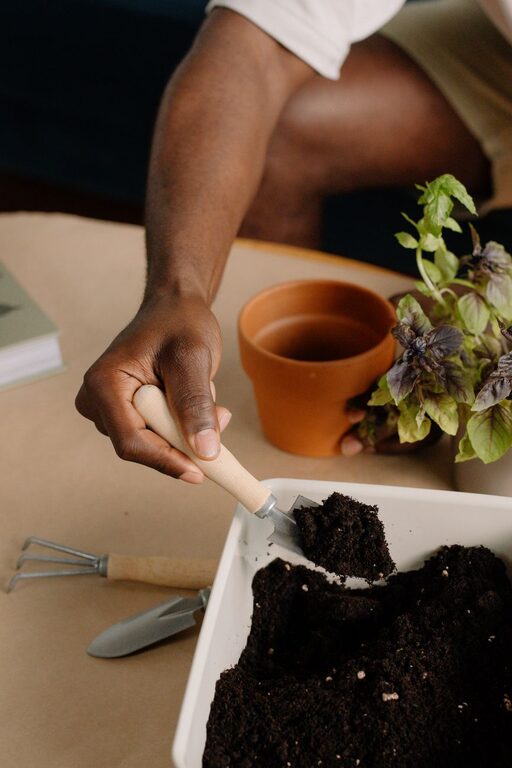
Use a lightweight, well-draining potting mix designed for indoor plants. Avoid garden soil, which can be too heavy and may carry pests. You can find potting mixes specifically formulated for herbs or vegetables.
Finding the Best Spot for Your Herb Garden
Herbs need plenty of sunlight to grow well. Aim for:
– 6 to 8 hours of sunlight daily: South or west-facing windows usually work best.
– If natural light is limited, consider using grow lights specially made for plants. These can provide the right spectrum and intensity to keep your herbs healthy.
Make sure herbs are placed away from cold drafts, heating vents, or areas with fluctuating temperatures.
Planting Your Herbs
You can start your indoor herb garden in several ways:
Starting from Seeds
– Follow the seed packet instructions for planting depth and spacing.
– Use seed-starting trays or small pots.
– Keep the soil moist but not soaked.
– Germination time varies—keep patience and consistent care.
Using Seedlings or Starter Plants
– Available at most garden centers.
– Transplant carefully into your chosen pots with fresh potting mix.
– Water thoroughly after planting.
Care and Maintenance Tips
Watering
– Water herbs when the top inch of soil feels dry.
– Avoid overwatering to prevent root rot.
– Most herbs prefer slightly moist soil but can tolerate occasional dryness better than sogginess.
Feeding
– Use a balanced, water-soluble fertilizer every 4-6 weeks during the growing season.
– Avoid over-fertilizing, which can affect flavor and growth.
Pruning and Harvesting
– Regularly pinch or trim herb leaves to encourage bushier growth.
– Harvest the top parts of the plants, leaving enough foliage for continued growth.
– Avoid cutting more than one-third of the plant at a time.
Pest Control
– Keep an eye out for common pests like aphids or spider mites.
– Use natural remedies like soapy water sprays or neem oil if needed.
– Maintain good air circulation around plants to discourage pests.
Troubleshooting Common Issues
– Yellowing leaves: May indicate overwatering or lack of nutrients.
– Leggy growth: Often caused by insufficient light; move plants to a sunnier spot.
– Wilting: Could be underwatering or root problems. Check soil moisture and drainage.
Harvesting and Using Your Herbs
Freshly harvested herbs taste best when picked just before use. Wash gently and pat dry. Use them to enhance salads, soups, sauces, and more. You can also dry excess herbs for later use by hanging small bundles in a well-ventilated area.
Final Thoughts
Starting a small indoor herb garden is both fun and practical, providing fresh ingredients and a pleasant green space in your home. With the right herbs, containers, light, and care, you can enjoy a thriving herb garden year-round. Don’t be afraid to experiment and find what works best for your space and lifestyle. Happy gardening!
About the Author