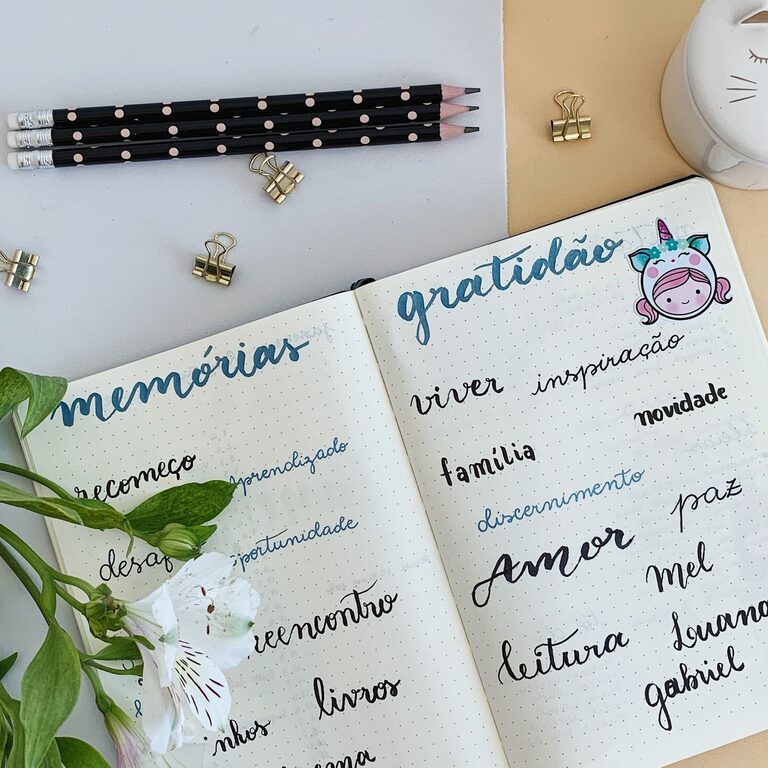

Journaling is more than just putting pen to paper; it’s a powerful tool for organizing your thoughts, gaining clarity, and improving your focus. If you’ve ever felt overwhelmed by a busy mind or struggled to prioritize tasks, journaling can help bring calm and direction to your day.
In this guide, we’ll explore how to journal for clarity and focus with simple techniques and helpful tips.
Why Journal for Clarity and Focus?
Life moves fast, and our minds often race with ideas, worries, and to-do lists. Journaling serves as a mental decluttering practice. When you write down your thoughts, you:
– Clear mental clutter
– Understand your priorities better
– Spot distractions or negative patterns
– Create a roadmap for your goals
This clarity naturally leads to improved focus because your mind isn’t trying to juggle so many things at once.
Getting Started: What You Need
Starting a journaling habit doesn’t require any special tools. Here’s what you need:
– A notebook or journal: Choose one you enjoy writing in; it can be lined, blank, or digital.
– A favorite pen or digital device: Comfort helps encourage consistency.
– A quiet space: Try to journal somewhere free from distractions.
– A few minutes each day: Even 5-10 minutes daily can make a big difference.
How to Journal for Clarity and Focus: Step-by-Step
1. Set an Intention Before You Write
Before you start, take a moment to think about why you’re journaling. Is it to clear your mind, plan your day, or process feelings? This intention will guide what you write.
2. Start with a Brain Dump
Write down everything on your mind. Don’t worry about grammar, spelling, or structure. This “brain dump” frees your mind from holding onto all those thoughts.
Example prompts:
– “What’s on my mind right now?”
– “What tasks or worries am I carrying?”
3. Organize Your Thoughts
Once the brain dump is done, review what you wrote. Underline or highlight important points, and rewrite them in a clearer, more concise way if helpful. This step helps you identify what truly matters.
4. Prioritize and Plan
From your organized thoughts, pick 2-3 key priorities for the day or week. Write them down as clear action steps.
Example:
– “Complete project outline by Wednesday”
– “Schedule meeting with team”
5. Reflect on Distractions and Challenges
Write briefly about what tends to distract you or what challenges keep coming up. Awareness is the first step toward managing these hurdles.
Example prompts:
– “What pulled my attention away today?”
– “How can I reduce this distraction tomorrow?”
6. End with Gratitude or Positive Affirmations
Finish your journaling session by noting something you’re grateful for or a positive affirmation to encourage focus and motivation.
Examples:
– “I’m grateful for having time to focus today.”
– “I am capable of completing my tasks with calm and clarity.”
Tips for Maintaining Your Journaling Habit
– Make it a routine: Try journaling at the same time each day, such as morning or before bed.
– Keep it simple: Your journal doesn’t need to be perfect or lengthy. Even a few sentences help.
– Be honest: Journaling works best when you write candidly without judgment.
– Use prompts: If you get stuck, use journaling prompts focused on clarity and focus.
– Review regularly: Spend time weekly reviewing your journals to track progress and adjust goals.
Additional Techniques to Enhance Journaling
Mind Mapping
Create visual diagrams to organize thoughts around a central idea. This can boost clarity by showing connections between tasks or ideas.
Bullet Journaling
Use bullet points, symbols, and short notes to keep your journaling organized and easy to scan. It’s great for combining to-do lists with reflective writing.
Timed Journaling
Set a timer for 5-10 minutes and write non-stop until it goes off. This encourages flow and uncovers thoughts you might overlook.
Troubleshooting Common Challenges
– I don’t know what to write: Start with simple prompts like “What’s one thing I want to accomplish today?” or “How am I feeling right now?”
– I skip days: Focus on consistency over length. Even a quick note is progress.
– My mind races while writing: Try deep breathing for a minute before starting, or write stream-of-consciousness without editing.
– I feel self-conscious: Remember journaling is private. No one else has to read it.
Final Thoughts
Journaling is a flexible, personal practice that can significantly improve your mental clarity and focus. By regularly writing down your thoughts and priorities, you create space to think clearly, reduce stress, and tackle your day with intention.
Start small, be patient, and watch how journaling transforms your mindset and productivity over time. Your clearer, more focused self awaits on the page!
About the Author