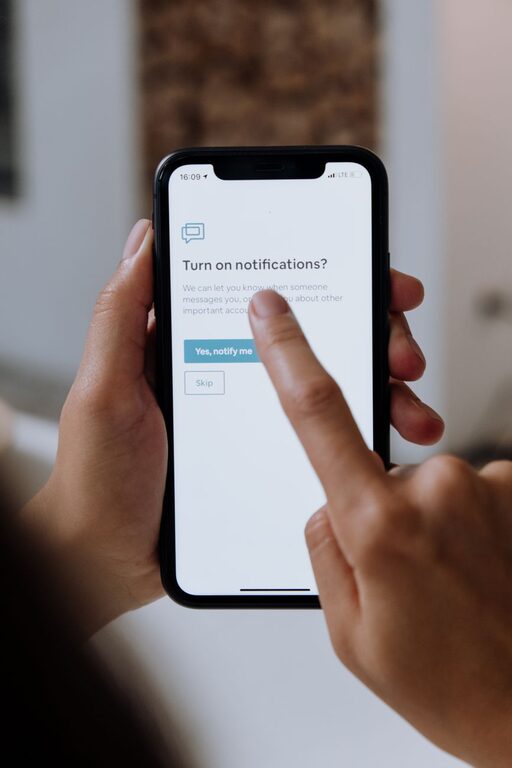
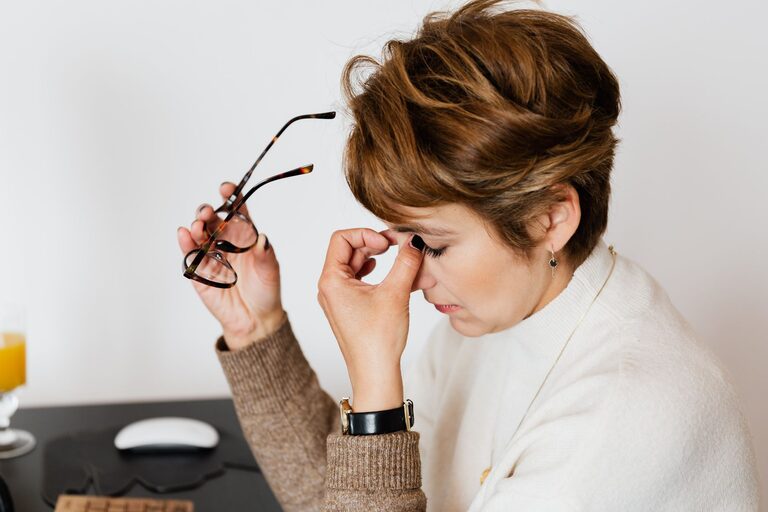
In today’s digital world, spending hours in front of screens is almost unavoidable. Whether for work, study, or entertainment, our eyes face constant exposure to computer monitors, smartphones, tablets, and TVs. This prolonged screen time can lead to discomfort, eye strain, and other vision-related issues. Fortunately, there are several strategies you can use to protect your eyes and maintain healthy vision. This guide outlines effective steps that anyone can incorporate into their daily routine.
Understanding the Impact of Screen Time on Your Eyes
Extended use of digital devices can cause symptoms known as digital eye strain or computer vision syndrome. These symptoms may include dryness, irritation, blurred vision, headaches, and difficulty focusing. Blue light emitted from screens is also a concern because it can interfere with sleep patterns and potentially contribute to retinal stress.
Recognizing these issues is the first step toward finding solutions. Let’s look at practical ways to minimize the effects of screen time on your eyes.
Tips to Protect Your Eyes During Screen Time
1. Follow the 20-20-20 Rule
One of the simplest and most effective ways to reduce eye strain is the 20-20-20 rule. Every 20 minutes, take a 20-second break and look at something 20 feet away. This exercise relaxes the eye muscles and helps prevent fatigue.
2. Adjust Your Workspace for Comfort
Proper workspace setup can make a big difference in how your eyes feel:
– Position your screen about an arm’s length away, with the top of the monitor at or slightly below eye level.
– Ensure good lighting to reduce glare on the screen. Use blinds or curtains to control natural light and adjust room lighting accordingly.
– Use an anti-glare screen filter if necessary.
3. Manage Screen Brightness and Contrast
Bright screens or high contrast can strain your eyes. Match the brightness of your screen with the ambient light around you. Many devices also have settings or apps that allow for automatic adjustment.
4. Use Blue Light Filters or Glasses
Blue light filters, available as screen settings or physical lenses, reduce exposure to high-energy visible light. While research is still ongoing, many people find these filters helpful in reducing eye discomfort and improving sleep quality.
5. Blink Often and Use Artificial Tears
When staring at screens, blink rates tend to drop significantly, leading to dry eyes. Make a conscious effort to blink frequently. If dryness persists, consider using lubricating eye drops designed for screen users.
6. Maintain Proper Posture
Good posture supports overall comfort and eye health:
– Keep your back straight and shoulders relaxed.
– Position your screen directly in front of you to avoid awkward neck angles.
– Use a chair that supports your lower back.
7. Take Regular Breaks and Practice Eye Exercises
Besides the 20-20-20 rule, taking longer breaks every hour helps. Stand up, walk around, and do simple eye exercises like rolling your eyes or focusing on near and far objects alternately.
8. Schedule Regular Eye Exams
Routine visits to an eye care professional ensure your vision is monitored and any necessary corrections are made. If you already wear glasses or contacts, make sure your prescription is up to date, and discuss with your doctor any concerns related to screen use.
Additional Lifestyle Habits to Support Eye Health
Eat a Balanced Diet Rich in Eye-Friendly Nutrients
A diet with vitamins A, C, E, omega-3 fatty acids, and minerals like zinc helps maintain eye health. Foods such as leafy greens, carrots, nuts, and fish are excellent choices.
Stay Hydrated
Good hydration supports tear production and overall eye comfort.
Get Quality Sleep
Restful sleep allows your eyes to recover and reduces the risk of strain. Limit screen time at least an hour before bedtime to promote better sleep.
Conclusion
Using digital devices is an integral part of modern life, but protecting your eyes doesn’t have to be complicated. By adopting habits like the 20-20-20 rule, optimizing your workspace, adjusting screen settings, and caring for your overall health, you can reduce eye strain and maintain clearer, more comfortable vision. Remember, small changes can make a big difference over time—your eyes will thank you!
About the Author