Gratitude journaling has become a popular way to improve mental well-being and cultivate a positive mindset. By regularly noting down things you are thankful for, you can shift your focus away from stress and negativity, creating space for appreciation and joy. If you’re new to this practice, starting a gratitude journal is easier than you might think. In this post, we’ll explore what a gratitude journal is, why it’s beneficial, and practical tips to help you begin your own journaling journey.
What Is a Gratitude Journal?
A gratitude journal is a personal diary where you regularly write down things, people, or experiences you are grateful for. This can include small everyday joys or significant moments in life. The key is to reflect on what brings you happiness and appreciation, helping you become more mindful of the positive aspects of your day.
Why Keep a Gratitude Journal?
The benefits of gratitude journaling extend beyond simply feeling thankful. Here are a few reasons why many people find it valuable:
– Improves mood: Focusing on positive elements boosts overall happiness.
– Enhances mindfulness: It encourages you to be present and aware of what matters.
– Reduces stress: Gratitude has been shown to lower levels of stress and anxiety.
– Builds resilience: Recognizing good things can help during tough times.
– Strengthens relationships: Appreciation often improves social connections.
How to Start a Gratitude Journal
Starting your own gratitude journal doesn’t require much — just a notebook and a few minutes each day. Follow these simple steps to get going.
1. Choose Your Journal
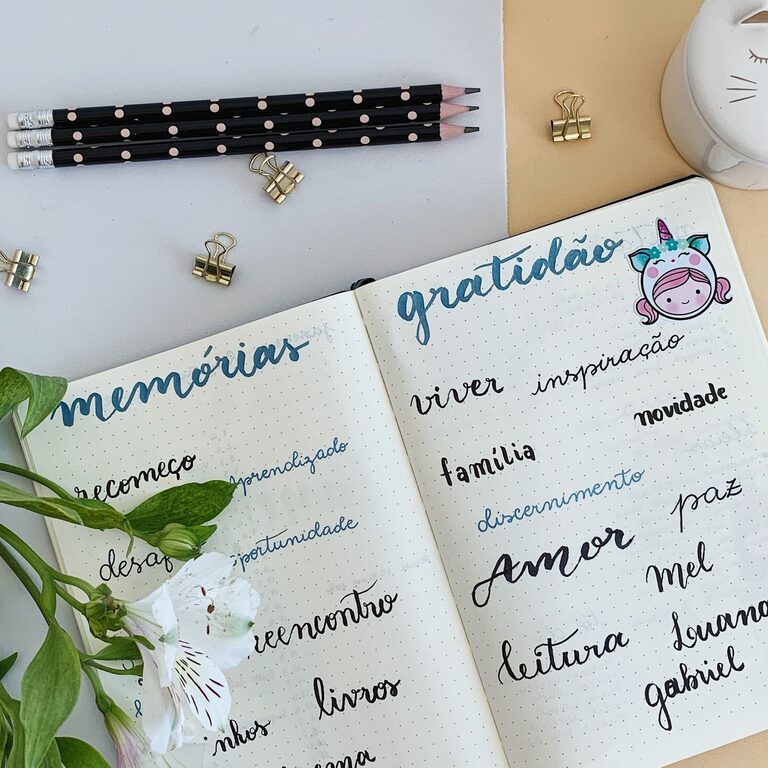
Pick a notebook or journal that you enjoy using. This could be a traditional paper journal, a guided gratitude journal with prompts, or a digital app. The important thing is that it feels comfortable and inviting so you look forward to writing in it.
2. Decide on a Routine
Consistency is key. Choose a time each day that works well for you — many people prefer morning or before bedtime. Setting a regular routine helps make journaling a habit.
3. Start Small
Begin by writing down 3 to 5 things you’re grateful for each day. These can be simple, like a sunny day, a good conversation, or a favorite meal. Short and specific entries are more effective than general statements.
4. Be Specific and Personal
Instead of writing “I’m grateful for my family,” try “I’m grateful for the fun dinner I had with my sister tonight.” Specific entries deepen your reflection and make the practice more meaningful.
5. Include Why or How
Adding reasons or explaining how something made you feel can enrich your gratitude journal. For example, “I’m grateful for my coworker’s help today because it made my project easier and less stressful.”
6. Mix It Up
Feel free to vary your entries. Sometimes focus on people, other times on experiences, nature, or even yourself. Changing what you write about keeps the practice fresh and engaging.
Tips to Keep Your Gratitude Practice Going
– Don’t worry about perfection: Your journal is for you, not for others. Write honestly and freely.
– Use prompts if stuck: Questions like “What made me smile today?” or “Who brightened my day?” can inspire entries.
– Combine with other habits: Try journaling after meditation, stretching, or a morning coffee.
– Review your entries: Occasionally read past pages to remind yourself of good moments.
– Share your gratitude: Sometimes sharing with friends or family can deepen your appreciation.
Common Challenges and How to Overcome Them
Feeling Too Busy to Write
Even spending five minutes daily can make a difference. Keep your journal somewhere visible and write during small breaks or at bedtime.
Struggling to Find Things to Be Grateful For
Start with basics like clean water, shelter, or good health. Over time, you’ll notice smaller, pleasant details around you.
Losing Motivation
Try changing your journal style — add drawings, photos, or quotes. Remind yourself why you started and focus on benefits you’ve noticed.
Final Thoughts
Starting a gratitude journal is a simple yet powerful step to cultivate positivity and mindfulness in your daily life. By dedicating a few minutes each day to reflect on what you appreciate, you can build a more optimistic outlook and enhance your emotional well-being. Remember to be patient with yourself and enjoy the process. Your gratitude journal is a personal space to celebrate all the good things that make life meaningful. Happy journaling!
About the Author