Journaling is a powerful tool for self-reflection, stress relief, and personal growth. If you’ve been curious about starting a daily journaling practice but aren’t sure where to begin, this beginner’s guide covers everything you need to know to make journaling a rewarding daily habit.
Why Journaling Every Day?
Writing in a journal each day can help you:
– Clarify your thoughts and feelings
– Track personal goals and progress
– Improve your emotional health
– Boost creativity and problem-solving
– Develop a mindfulness routine
With consistent journaling, you build a space for self-expression and greater self-awareness.
How to Get Started with Daily Journaling
1. Choose Your Journaling Medium
Decide what format feels most comfortable:
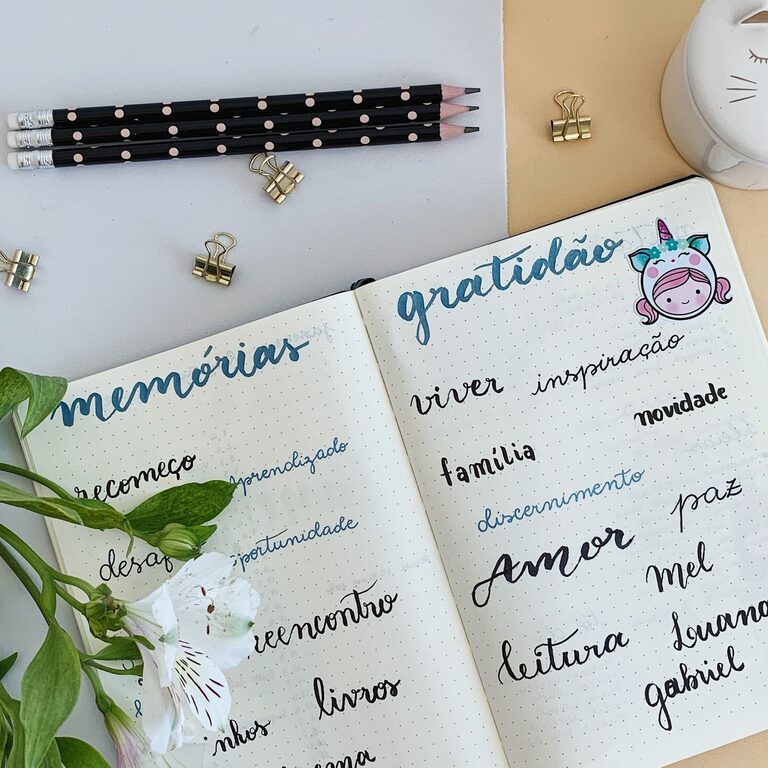
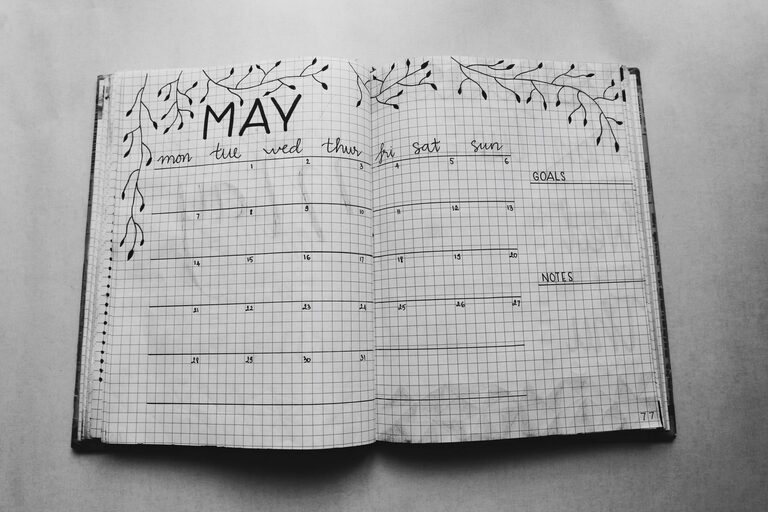
– Paper journal: Many enjoy the tactile feeling of pen on paper. Choose a notebook or diary you find inviting.
– Digital journal: Apps and word processors are convenient and searchable. Options like Evernote, OneNote, or journaling apps offer flexibility.
Pick what you’re most likely to use regularly.
2. Set Aside a Specific Time
Consistency is key. Try to journal at the same time every day, such as:
– Morning, to set intentions for the day
– Before bed, to reflect on the day’s events and emotions
Start with just 5 to 10 minutes daily. Even a brief, focused entry is effective.
3. Create a Comfortable Space
Find a quiet, comfortable spot free from distractions. Whether a cozy corner or a particular chair, make it inviting to encourage focus and relaxation.
What to Write About: Journaling Prompts for Beginners
If you’re unsure what to write, these prompts can kick-start your journaling habit:
– What am I grateful for today?
– What emotions am I feeling right now?
– What challenges did I face today and how did I respond?
– What was a highlight of my day?
– What personal goal am I working toward?
– Describe a memory that makes you happy.
– What is something new I learned recently?
Feel free to mix prompts with free writing—simply jot down whatever is on your mind.
Tips for Maintaining Your Daily Journaling Habit
Keep It Simple
Don’t aim for perfection. Your journal is for you, not an audience. Write honestly and openly without worrying about grammar or style.
Be Patient
Building a new habit takes time. If you miss a day, don’t get discouraged. Gently return to journaling the next day.
Experiment and Adapt
Try different prompts, writing styles, or journaling at different times to find what works best for you.
Use Encouragement Tools
Set reminders on your phone or link journaling to another daily habit, like having morning coffee.
Benefits You May Notice Over Time
With consistent daily journaling, many people experience:
– Greater clarity about their goals and values
– Reduced stress and anxiety levels
– Heightened mindfulness and appreciation for daily moments
– Improved problem-solving abilities
– Stronger self-confidence and emotional resilience
Final Thoughts
Starting a daily journaling routine is a simple but powerful way to nurture your mental and emotional well-being. By choosing a comfortable format, setting a regular time, and using prompts when needed, you can turn journaling into an enjoyable habit that helps you grow.
Give yourself grace and flexibility as you begin. The most important step is to start writing—one day at a time. Your journal is your personal space to explore, reflect, and celebrate your unique journey. Happy journaling!
About the Author